Mastering The Markets
by Abhishek Maurya · AKForexTrader
What’s it about?
Mastering The Markets is a Smart Money Concepts (SMC) guide written in a simple, easy-to-follow style. It walks through market structure, mapping, liquidity and entry mastery, so you can read price with more confidence across Forex pairs, stocks, cryptocurrencies and indices.
The book is meant to be studied and revisited. Take your time with each chapter until the logic behind price movement clicks.
Who’s it for?
Anyone who wants to understand how Smart Money Concepts work, from structure and pullbacks to order blocks, liquidity and risk management, and who is willing to study the material and practise it.
What’s inside
- Advanced Structural Mapping in SMC
- BOS, CHoCH, and Pullback Strategies
- Order Flow and Order Block
- Liquidity Types
- High-Probability OF/OB Identification
- Multi-Timeframe Analysis Techniques
- High-Probability Entry Strategies
- Risk Management Essentials
Investment disclaimer & risk management
AKForexTrader strictly adheres to SEBI guidelines and does not operate as a registered investment advisor, legal tax consultant, or broker-dealer. All financial insights, analyses, and opinions shared in this publication are for educational purposes only, based on personal research and experience.
While we strive to provide accurate and timely updates, market conditions are volatile, and errors or misinterpretations may occur. Trading in financial markets, especially with leverage, involves significant risk. It is imperative to conduct thorough research and consult with a SEBI-registered financial advisor before making any investment decisions.
Any trades, investments, or financial actions taken based on the information provided in this book are solely at the reader’s discretion and risk. AKForexTrader does not assume any liability for financial gains or losses incurred by individuals acting on this information.
Trade responsibly, invest wisely, and stay informed!
Welcome
Welcome to the Smart Money Concept!
Inside this eBook, you’ll gain a deep understanding of Smart Money Concepts (SMC) in a simple and easy-to-follow manner. You’ll learn everything about Structure, Mapping, Liquidity, and Entry Mastery, enabling you to trade confidently across Forex pairs, Stocks, Cryptocurrencies, and Indices.
Mastering these concepts may take time, so study as much as possible and revisit the material until everything clicks. Once you truly grasp how the market moves, you’ll have the edge to dominate your trades. This is a game-changer that reveals the logic behind price movements!
At AKForexTrader, we wish you a successful trading journey. Stay focused, stay disciplined, and take your trading to the next level!
Keywords shortcut
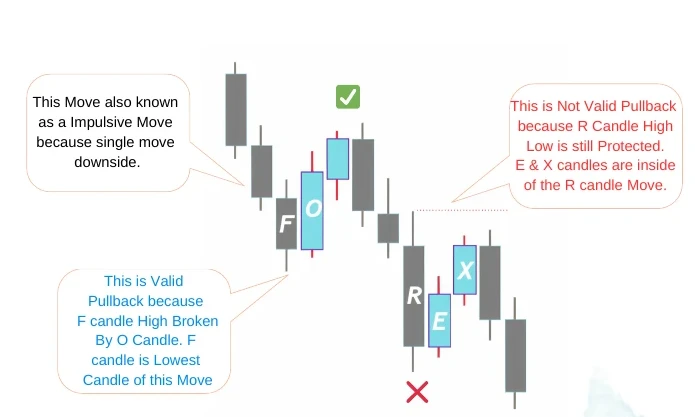
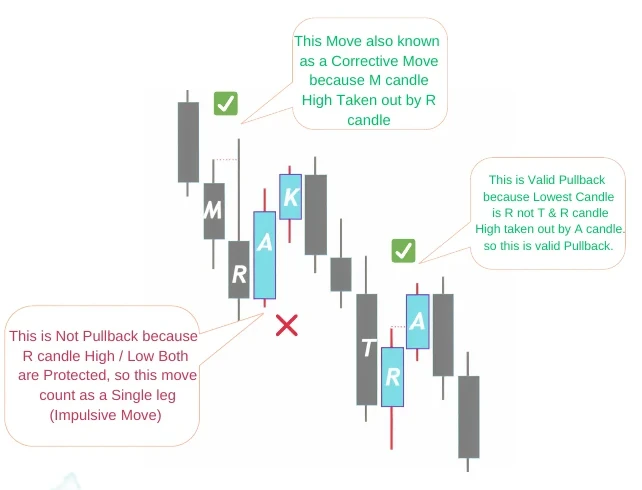
Pullback identification
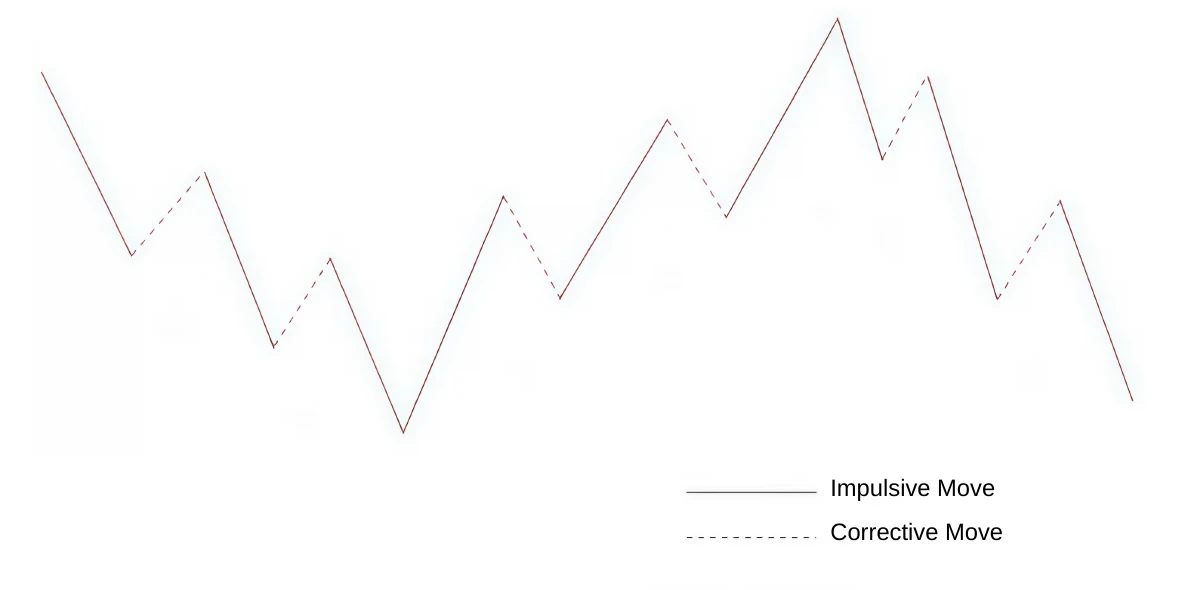
The market moves in two ways: impulse and correction.
Impulse Move: A strong price movement in one direction (up or down), driven by big players like banks and institutions.
Correction Phase: A slower, sideways movement where price stabilizes as retail traders buy and sell.
Impulse moves show strong momentum, while corrections are a temporary pause before the next move. In the next section, I will explain how this pattern looks in the market.